
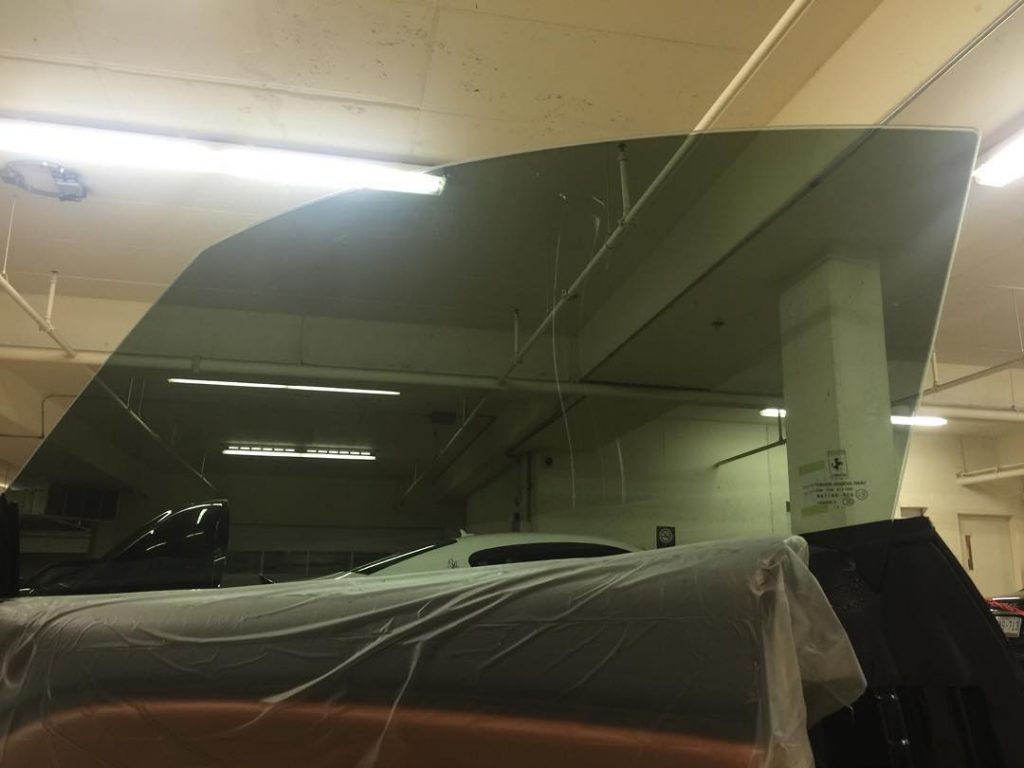
Ontario window tinting laws depend on more than how dark the glass looks. The rules vary by window position, including the windshield, front side, rear side, and back windows, while the vehicle’s manufacture date can affect which standards apply. Tint must also provide a clear view for the driver and allow others to see inside where required. Compliance is checked using visible light transmission (VLT), the measured percentage of light passing through the glass and film.
What Window Tint Is Legal in Ontario?
Legal window tint in Ontario depends on the window’s position and when the vehicle was manufactured. Vehicles made on or after January 1, 2017, face stricter safety inspection requirements for the windshield and front side windows. The measured VLT refers to the combined amount of light passing through both the glass and tint film.
| Window | Manufactured Before January 1, 2017 | Manufactured On or After January 1, 2017 |
|---|---|---|
| Windshield | A top tint strip may be permitted if it maintains at least 70% VLT and does not extend more than 75 mm from the top or below the marked AS line. | Aftermarket windshield tint is not permitted under Ontario’s safety inspection standard. |
| Front side windows | No specific VLT percentage applies during a safety inspection, but the tint cannot obstruct the driver’s view or substantially obscure the vehicle’s interior. | The windows directly beside the driver must provide at least 70% VLT through the glass and film combined. |
| Rear side windows | No specific tint percentage is set. | No specific tint percentage is set. |
| Rear window | Darker tint is generally permitted if the driver has a clear rear view through properly positioned side mirrors. | Darker tint is generally permitted if the driver has a clear rear view through properly positioned side mirrors. |
Windshield Tint
For vehicles manufactured on or after January 1, 2017, any aftermarket film on the windshield can cause the vehicle to fail a safety inspection. Older vehicles may have a narrow strip along the top, provided it meets the VLT and placement requirements shown above. The windshield must always give the driver a clear, unobstructed view.
Front Side Window Tint
Vehicles manufactured on or after January 1, 2017, must maintain at least 70% VLT on the windows directly to the left and right of the driver. This percentage applies to the glass and film together, so a film labelled 70% VLT may produce a lower reading once installed. On older vehicles, tint must still preserve the driver’s view and cannot substantially hide the interior from outside.
Rear Side Windows and Rear Window
Ontario does not set a specific VLT limit for rear side windows. The rear window may also have darker tint when the vehicle has mirrors that provide the driver with a clear view of the roadway behind. Regardless of the vehicle’s age, the tint should not interfere with safe visibility.
These distinctions reflect Ontario’s Passenger/Light-Duty Vehicle Inspection Standard and the visibility requirements in sections 73 and 74 of the Highway Traffic Act.
Ontario Tint Laws and Safety Inspections
Ontario applies two sets of rules to vehicle tint: road-use visibility requirements under the Highway Traffic Act and standards used when a vehicle needs a Safety Standards Certificate. Together, they help drivers, pedestrians, cyclists, and police see clearly around and into the front area of the moving vehicle.

Road-Use Visibility Requirements
While driving, your windshield and the windows beside the driver must provide a clear view of the road. Tint or reflective material cannot obstruct that view or substantially hide the vehicle’s interior when viewed from outside. These rules matter because dark tint can reduce nighttime visibility and make eye contact between drivers and pedestrians more difficult. The rear window must provide a clear view unless properly positioned mirrors give the driver an adequate view behind.
Tint Requirements for a Safety Standards Certificate
A safety inspection also checks tint based on window position and the vehicle’s manufacture date. For vehicles manufactured on or after January 1, 2017, aftermarket windshield tint is not permitted, and the front side windows must provide at least 70% VLT. Older vehicles follow different windshield and front-window criteria. Rear tint is generally permitted when visibility and mirror requirements are met.
What Are the Benefits of Car Window Tinting?
Most car owners consider aftermarket car tinting for a variety of reasons.
UV Protection
Since car tints come with thin reflective layers, they help block the harmful rays of the sun. These not only include UV but also Infrared.
Improves the Look
Many car owners consider aftermarket tinting to enhance the look of the car. Tints usually make the car look sportier. This also enhances the overall value of the car for some.
Ensures that Broken Glass Does Not Scatter
In case of a break-in or a collision, the adhesives of the window tint ensure that broken glass does not scatter everywhere and add to injury. The tints also make it difficult for thieves to break into your car.


Temperature Control
During the peak months of summer, the interior of the car is prone to heating up, especially when parked outside. The window tints block the sun which helps keep the interior of your car, relatively cooler.
Ensures Privacy
It is common for car owners to leave their valuables in their car. Tinting the back windows and keeping your valuables hidden under the back seat makes it difficult for thieves to spot these items and get enticed to break into the car. For those who own a compact RV, tinting the windows helps offer privacy for the time when you would like to camp in the car.
Does Window Tint Affect Car Insurance?
Window tint can affect your auto insurance, with rules varying by provider. Some insurers may adjust premiums, while others may limit or void coverage for illegal modifications. Check your policy before adding tint. Car window tinting offers practical benefits when it meets Ontario law. Choose an installer who understands provincial tint and visibility requirements so your vehicle remains safe, compliant, and properly insured.

Ontario Window Tint Laws FAQs
Is it illegal to tint windshields in Ontario?
Yes, it is illegal to tint windshields in Ontario, Canada. It has been officially regulated since January 1st, 2017, when the Ontario Highway Traffic Act passed a law to prohibit applying aftermarket tinting on windshields. Contact Elite Tint to learn more about Ontario window tinting laws.
What is the darkest legal tint in Ontario?
For the front side windows, the tint must allow at least 70% of light to pass through, meaning the tint cannot be darker than 30%. For the rear windshield and rear side windows, there are no restrictions on how dark the tint can be, provided the vehicle’s side mirrors are both functional. For accurate window tinting, reach out to the professional auto stylists at Elite Tint today.
Is 35% window tint legal in Ontario?
No, a 35% window tint is not legal in Ontario because that tint level only allows 35% of light to pass through, which is below the required 70% light transmission for front side windows. Ontario regulations does not permit a 35% tint on front side windows, making it non-compliant with local laws. Contact an Elite Tint professional to make sure your window tint does not exceed 30%.
How much is an illegal tint ticket in Ontario?
An illegal tint can warrant a ticket $85 in Ontario. The specific fine amount can vary however for illegal window tinting depending on the severity of the violation and additional surcharges or fees may also apply. For more information about fines and fees associated with illegal tinting in Ontario, get in touch with an Elite Tint expert today.
Is 20% car window tint too dark?
Yes, a 20% car window tint is too dark because it allows only 20% of light to pass through, which is significantly darker than the permitted 70% light transmission for front side windows in Ontario. Such a tint would be considered too dark and not compliant with Ontario’s regulations for front side windows. At Elite Tint, we have a full understanding of Ontario’s tinting laws and make sure to apply a window tint that is safe for your vehicle.
What tint is too dark at night?
Tints that allow less than 70% of light to pass through are too dark at night because they can significantly reduce visibility during these hours, posing safety risks. Ontario has regulations in place to make sure sufficient visibility, especially during nighttime driving, by requiring front side windows to have a minimum of 70% light transmission. While rear windows can legally have darker tints, it’s important to consider the impact on nighttime visibility. Contact our auto technicians today for window tinting done right!
Official Ontario Sources
Ontario Highway Traffic Act — Sections 73 and 74
Ontario Passenger / Light-Duty Vehicle Inspection Standard (PDF)
Ontario Court of Justice — Highway Traffic Act Set Fines


